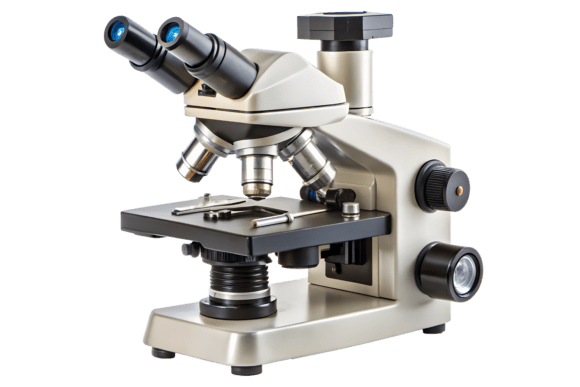
Laboratory Microscope with Blue Eyepiece: Precision and Clarity in Scientific Research
In the realm of scientific inquiry, the tools we use define the boundaries of our discovery. Among these essential instruments, the Laboratory Microscope with Blue Eyepiece stands out not just for its optical capabilities, but for its distinct design that signals precision and modernity. Whether you are a seasoned researcher in a biotechnology firm, a student navigating the complexities of university-level biology, or a medical professional conducting routine diagnostics, understanding the role of this specific instrument is crucial. This article explores how this specialized equipment enhances workflow, improves visual comfort, and supports critical analysis in various scientific environments.
Understanding the Laboratory Microscope with Blue Eyepiece
A Laboratory Microscope with Blue Eyepiece is a sophisticated optical instrument designed to magnify small specimens that are invisible to the naked eye. While the core mechanics—comprising objective lenses, a stage, focus knobs, and illumination systems—are standard across high-quality microscopes, the blue eyepiece serves as a distinctive marker of specific optical configurations. Often, the blue color indicates the presence of specialized filters or coatings on the lens elements that reduce chromatic aberration and minimize eye strain during prolonged observation sessions.
This instrument is more than a simple magnifying glass; it is a gateway to the microscopic world. It allows users to examine cellular structures, bacterial colonies, tissue samples, and chemical precipitates with remarkable detail. The "blue" aspect often appeals to professionals seeking a modern aesthetic combined with functional benefits, such as enhanced contrast in certain lighting conditions. In digital workflows, images captured from these microscopes are frequently isolated on transparent backgrounds, making them ideal for presentations, educational materials, and technical documentation without distracting background noise.
Common Challenges in Microscopic Analysis
Despite the ubiquity of microscopy, professionals and students alike face significant hurdles when attempting detailed analysis. One of the most pervasive issues is visual fatigue. Hours spent peering through an eyepiece can lead to headaches, dry eyes, and reduced concentration, directly impacting the quality of data collected. Standard white-light optics can sometimes cause glare or wash out fine details, making it difficult to distinguish between similar cellular components.
Another challenge is specimen clarity. Without proper optical alignment or the right filtration, the edges of a specimen may appear blurry or colored fringes (chromatic aberration) may distort the image. This is particularly problematic in fields like pathology, where a misinterpretation of cell morphology could lead to incorrect diagnoses. Furthermore, integrating microscope imagery into digital reports or academic papers requires high-quality visuals. Generic photos with cluttered backgrounds often fail to convey the necessary detail, necessitating a tool that produces crisp, isolatable images ready for publication.
How the Blue Eyepiece Design Addresses These Needs
The Laboratory Microscope with Blue Eyepiece is engineered to mitigate these common pain points. The specialized blue coating or filter technology inherent in many of these models helps to neutralize harsh light frequencies, providing a softer viewing experience that reduces eye strain. This allows researchers to maintain focus for longer periods without the degradation of performance associated with fatigue.
Moreover, the optical precision associated with these instruments ensures that the magnification is sharp and true-to-life. By minimizing aberrations, the user can see the intricate details of a slide preparation more clearly. For those involved in creating educational content or marketing materials for scientific products, the ability to capture images that look clean and professional is invaluable. The distinct look of the blue eyepiece also aids in quick identification within a busy laboratory setting, ensuring that the correct instrument is used for specific tasks.
Practical Applications Across Industries
The utility of a Laboratory Microscope with Blue Eyepiece extends across multiple sectors, each leveraging its capabilities for different outcomes.
- Medical Diagnostics: In healthcare settings, pathologists rely on these microscopes to identify disease markers in blood smears and tissue biopsies. The enhanced contrast provided by the optical system helps in distinguishing malignant cells from healthy ones, leading to faster and more accurate diagnoses.
- Biotechnology and Research: Scientists studying genetic material or developing new pharmaceuticals need to observe cellular reactions in real-time. The stability and clarity of the blue eyepiece model support rigorous experimentation where minute changes must be recorded accurately.
- Education and Academia: Universities and schools use these instruments to teach fundamental concepts in biology and chemistry. The modern design engages students, while the optical quality ensures they are learning from accurate representations of biological structures. When preparing lecture slides or textbooks, the ability to isolate the microscope or its output against a transparent background streamlines the creation of high-quality teaching aids.
- Quality Control in Manufacturing: In industries producing electronics or pharmaceuticals, microscopic inspection is vital for detecting defects. The precision of these instruments ensures that products meet strict safety and performance standards before reaching the consumer.
Tailoring Usage to Different User Profiles
Different users approach the Laboratory Microscope with Blue Eyepiece based on their specific goals and expertise levels. A novice student might prioritize ease of use and clear instructions on focusing and slide placement. For them, the instrument is a learning tool, and the primary goal is to understand the mechanics of magnification and the basics of cell structure.
In contrast, a professional researcher will focus on the technical specifications, such as numerical aperture, resolution limits, and compatibility with digital imaging systems. They may utilize the microscope to capture high-resolution data for peer-reviewed publications. For these experts, the "isolated" nature of the data—clean, unobstructed views of the specimen—is paramount. They often require the microscope to interface seamlessly with cameras and software that allow for the manipulation of images, including placing them on transparent backgrounds for complex diagrams.
Medical practitioners, on the other hand, value speed and reliability. Their usage is often driven by the immediate need for a diagnosis. They appreciate the ergonomic design and the reduced eye strain that comes with the blue eyepiece technology, allowing them to process a higher volume of samples efficiently throughout the day.
Recommendations for Implementation and Care
To maximize the benefits of a Laboratory Microscope with Blue Eyepiece, proper implementation and maintenance are essential. First, ensure that the microscope is placed on a stable surface away from direct sunlight or strong drafts, which can affect focus and illumination. Regular cleaning of the lenses with appropriate solutions is critical to maintaining optical clarity. Dust or smudges on the eyepiece can significantly degrade the image quality, negating the advantages of the specialized coating.
When using the microscope for digital documentation, invest in good lighting and a compatible camera adapter. This setup allows you to capture the high-definition images that can later be edited to remove the background, creating professional-grade visuals for reports or presentations. Additionally, train all users on the correct handling procedures to prevent mechanical damage. Proper care ensures that the instrument remains a reliable asset for years, supporting continuous innovation and discovery.
Conclusion
The Laboratory Microscope with Blue Eyepiece represents a convergence of aesthetic design and functional excellence. It addresses the practical challenges of visual fatigue and image clarity while serving diverse needs across medicine, education, and research. By choosing an instrument that prioritizes both user comfort and optical precision, professionals and students alike can enhance their analytical capabilities. Whether you are examining a single cell or training the next generation of scientists, this tool provides the clarity and detail necessary to drive meaningful results. As technology continues to evolve, the integration of such specialized equipment remains a cornerstone of scientific advancement, enabling us to see the unseen with unprecedented precision.