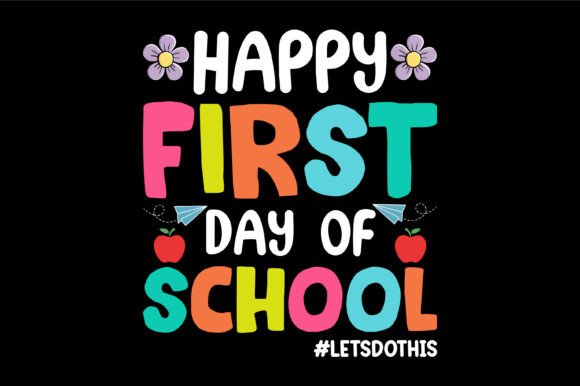
Designing the Perfect First Day of School: A Guide to Colorful, Happy Classroom Art
The first day of school is a pivotal moment in the academic calendar. For students, it marks the beginning of new friendships, fresh challenges, and the excitement of discovery. For teachers, it represents the opportunity to set the tone for an entire year of learning. In this digital age, where visual communication plays a crucial role in engagement, having a high-quality First Day School Design can make all the difference. Whether you are an educator looking to decorate your classroom, a parent creating a memory book, or a graphic designer seeking inspiration, understanding the elements of effective educational design is essential.
This article explores the significance of colorful, happy designs featuring kids, teachers, and classrooms. We will delve into how these visuals impact the learning environment and discuss the practical utility of professional design files available in formats like SVG, PDF, JPEG, PNG, EPS, and AI.
The Psychology of Color and Joy in Education
When we think about a successful classroom, we often imagine rows of desks and a chalkboard. However, modern educational psychology suggests that the environment itself is a silent teacher. The concept of "happy kids" and "colorful teacher" imagery is not merely aesthetic; it serves a functional purpose in reducing anxiety and fostering a sense of belonging.
Why Color Matters on the First Day
Research consistently shows that color influences mood and behavior. On the first day of school, many students experience nervousness or separation anxiety. Bright, warm colors such as yellows, oranges, and soft reds can stimulate energy and happiness, while calming blues and greens promote focus. A design that incorporates a vibrant palette immediately signals to the student that this is a safe, welcoming space.
Consider this example: A classroom door decorated with a dull, monochromatic sign might be overlooked. In contrast, a door adorned with a colorful teacher illustration surrounded by smiling students creates an immediate focal point. It invites curiosity and sets a positive expectation for the day ahead.
The Role of Relatable Imagery
Visuals featuring diverse groups of children engaging in learning activities help students see themselves in the environment. When a child sees a drawing of a student holding a book or a teacher waving hello, it validates their own experience. This relatability is key to building the initial rapport between the student and the institution.
Understanding Digital Design Formats for Educators
In today's tech-savvy world, physical posters are often supplemented or replaced by digital assets that can be printed on demand. If you are looking to implement a specific design theme, you will likely encounter various file formats. Understanding these formats is crucial for ensuring your project looks professional and functions correctly.
When you acquire a premium First Day School Design, you typically receive a comprehensive package. Here is a breakdown of why each format matters:
- SVG (Scalable Vector Graphics): This is perhaps the most versatile format for designers. SVG files are resolution-independent, meaning they can be scaled up to the size of a billboard or down to the size of a sticker without losing quality. They are ideal for cutting machines like Cricut or Silhouette, allowing you to create custom vinyl decals for classroom walls.
- PNG Transparent: Perfect for digital use or overlaying images onto photos. A PNG with a transparent background allows you to place a cute cartoon teacher or student onto a photograph of your actual classroom, blending the design seamlessly with reality.
- JPEG and PDF: These are standard formats for printing. JPEGs are great for sharing on social media or email, while PDFs ensure that fonts and layouts remain consistent when sent to a professional printer.
- EPS and AI Editable Files: These are industry-standard vector formats used by professional graphic designers. Having access to the editable AI (Adobe Illustrator) file means you can change text, swap colors, or rearrange elements to perfectly match your school's branding or personal style.
All these files are conveniently delivered in one ZIP file, ensuring you have every tool necessary to bring your vision to life regardless of your technical skill level.
Practical Applications in Modern Classrooms
The utility of a well-crafted school design extends far beyond simple decoration. It integrates into the daily rhythm of education, business, and creativity in several meaningful ways.
Creating a Welcoming Atmosphere
For teachers, the first week is about establishing routines. Visual cues play a massive role in this process. A "Welcome Back" banner featuring happy kids can serve as a gathering point during morning meetings. It becomes a landmark in the room, a symbol of community. Furthermore, these designs can be used on name tags, desk labels, and seating charts, making the administrative side of the first day feel more personal and less bureaucratic.
Marketing and Communication for Schools
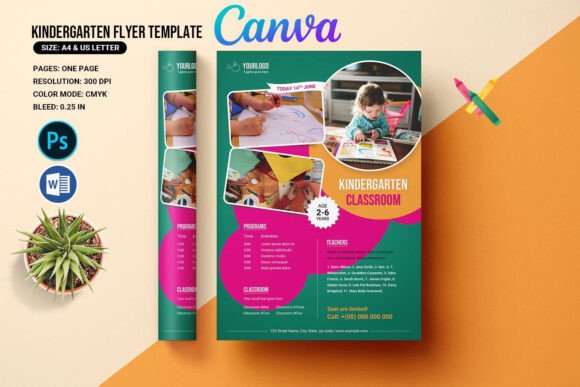
Schools and private tutors also rely on strong visuals for marketing. A colorful, engaging design featuring a friendly teacher can be used on brochures, websites, and social media campaigns to attract new families. In a competitive educational landscape, the ability to present a vibrant, happy image of the learning experience is a significant asset. Parents want to know that their children will be in an environment that prioritizes joy and engagement.
Fostering Creativity and Student Engagement
Beyond the physical environment, these designs can inspire student projects. Teachers can use the characters from the design as mascots for class rewards systems or as protagonists in storytelling exercises. By incorporating the "student" and "teacher" figures from the design into lesson plans, educators can bridge the gap between abstract concepts and tangible, relatable examples.
Common Misunderstandings About Educational Design
Despite the clear benefits, there are some common misconceptions regarding the use of decorative art in education that deserve clarification.
Misconception 1: "It's Just Decoration"
Many assume that colorful posters and clip art are merely "filler" for empty wall space. In reality, intentional design is a pedagogical tool. It reduces cognitive load by organizing information visually and creates emotional safety. A chaotic or sterile environment can increase stress levels, whereas a thoughtfully designed space promotes relaxation and readiness to learn.
Misconception 2: "Professional Design is Too Expensive"
While hiring a full-time designer can be costly, purchasing a single, high-quality design bundle is an affordable investment. Because these bundles come with editable files (AI, EPS) and scalable vectors (SVG), one purchase can yield hundreds of different applications over several years. You can update the text for each grade level, change the colors for different seasons, and reuse the core assets indefinitely.
Misconception 3: "Digital Files Are Hard to Use"
There is a belief that if you don't have a degree in graphic design, you cannot utilize vector files. This is no longer true. With user-friendly software and online tools, anyone can open a PNG to print a poster or import an SVG into a cutting machine app. The availability of multiple formats ensures that whether you are a tech novice or a pro, there is a file type suited to your needs.
Building a Broader Understanding of Learning Environments
Ultimately, the goal of a First Day School Design is to facilitate connection. It connects the student to the material, the teacher to the class, and the family to the school. In a world increasingly dominated by screens and remote interactions, the tactile and visual warmth of a well-designed classroom remains irreplaceable.
By utilizing resources that offer a complete suite of files—from transparent PNGs for quick digital edits to editable AI files for deep customization—educators and parents can take control of their narrative. They can craft an environment that says, "You belong here," "Learning is fun," and "We are excited to meet you."
As we move forward in the evolution of education, the blend of traditional teaching values with modern design technology will only grow stronger. Embracing these tools allows us to create spaces where happy kids thrive, supported by dedicated teachers in classrooms that are as vibrant as the minds within them. Whether you are preparing for the upcoming semester or simply looking to refresh your current space, investing in quality design content is a step toward a more joyful and effective educational experience.
Conclusion
The journey of education begins with the first impression. A thoughtful, colorful, and professionally designed visual identity for the first day of school sets a trajectory for success. By understanding the value of diverse file formats and the psychological impact of joyful imagery, you can transform a standard classroom into a dynamic hub of learning and happiness. Remember, the right design is not just about looking good; it's about feeling good and learning better.