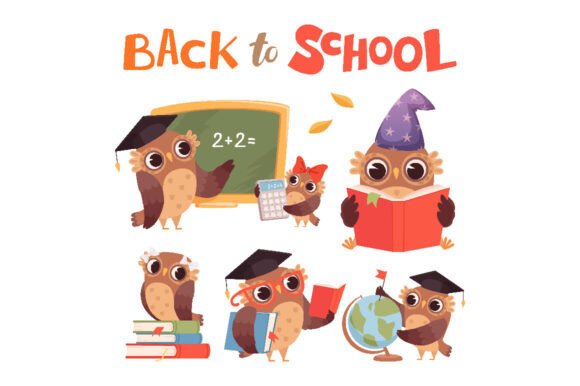
Cartoon Owls: Elevating Your Educational and Creative Projects
When searching for visual assets to represent wisdom, learning, or a friendly forest theme, Cartoon Owls often emerge as the top choice. These cute, clever forest birds with books vector sets have become a staple in educational materials, school branding, and children's content. However, finding the right illustration is not just about spotting a bird that looks appealing at first glance. The difference between a generic clip-art image and a professional-grade asset lies in the details of file format, scalability, and design intent. Whether you are an educator preparing a lesson plan, a marketer designing a campaign, or a small business owner building a brand, understanding how to evaluate these graphics is crucial for a polished final result.
The Versatility of Cartoon Owl Illustrations
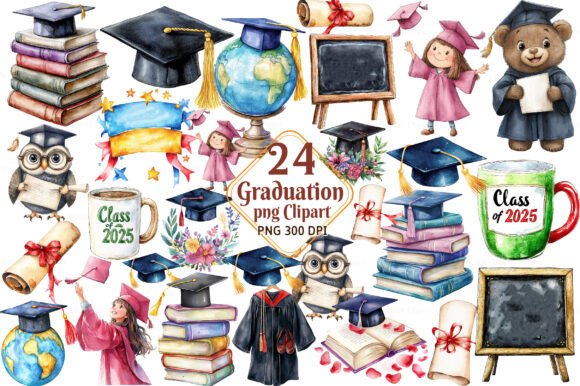
Cartoon owls serve a unique purpose in visual communication. Unlike realistic wildlife photography, which can sometimes feel too serious or distant, stylized owl illustrations bridge the gap between nature and approachability. They are frequently associated with education, symbolizing intelligence and the pursuit of knowledge. This makes them ideal for school teachers creating handouts, students working on projects, or authors illustrating storybooks. A well-designed set featuring birds holding books, wearing glasses, or sitting among trees provides immediate context without needing lengthy explanations.
The appeal extends beyond simple decoration. In marketing, these characters can humanize a brand, making complex topics like finance or technology feel more accessible when paired with a friendly mascot. For freelancers and designers, having a robust library of these vectors allows for quick customization, saving hours of manual drawing time. The key is recognizing that while the subject matter is whimsical, the execution must be professional to maintain credibility.
Common Pitfalls When Selecting Vector Assets
Despite their popularity, many creators fall into traps when downloading or purchasing these graphics. One of the most frequent mistakes is prioritizing quantity over quality. A large bundle might offer dozens of poses, but if the line work is inconsistent or the color palettes clash, the entire project suffers. Another common oversight is ignoring the file format requirements. Many users download a PNG file when they actually need an SVG or EPS file, leading to pixelation when the image is resized for a billboard or a high-resolution print.
There is also a misunderstanding regarding licensing. Just because an image is available for download does not mean it is free for commercial use. Using a copyrighted character without proper clearance can lead to legal issues, especially for entrepreneurs scaling a business. Additionally, some creators fail to check the complexity of the vector paths. Overly intricate designs may look fine on a screen but become messy and unprintable when scaled down for a business card or a logo.
Impact of Poor Choices on Your Project
These oversights directly affect the usability and presentation of your work. If an image pixelates during resizing, it signals a lack of attention to detail, undermining the professionalism of your brand. Inconsistent styling within a set—where one owl has thick outlines and another has thin ones—creates visual dissonance that distracts the audience. For educators, this can make learning materials look amateurish; for marketers, it can dilute brand identity. Furthermore, using low-resolution images increases production costs later, as you may need to hire a designer to recreate the asset from scratch.
How to Evaluate Quality Before Downloading
To avoid these issues, adopt a systematic approach when evaluating cartoon owls and similar vector sets. Start by inspecting the technical specifications. Ensure the package includes industry-standard formats like SVG for web use and EPS for print production. These formats guarantee that the image remains crisp at any size. If you only see JPG or low-res PNG options, proceed with caution unless your use case is strictly for small-screen digital displays.
Next, examine the design consistency. Open the preview files and look for uniform stroke widths, cohesive color schemes, and clean geometry. A high-quality set will feature birds that share the same artistic DNA, whether they are depicted as students, teachers, or forest dwellers. Check if the elements are grouped logically in the vector file. Well-organized layers allow you to easily change colors or remove backgrounds without struggling through tangled paths.
Consider the versatility of the poses included. A strong collection should offer a variety of expressions and actions. Do the owls hold books? Are they interacting with other elements like desks, chalkboards, or trees? This variety gives you the flexibility to tell a story or convey different messages without needing to commission custom art for every single scene.
Practical Strategies for Better Results
Once you have identified a high-quality set, apply these strategies to maximize its value. First, customize the assets to fit your specific needs. Most vector software allows you to adjust colors to match your brand guidelines. Instead of using the default palette, experiment with variations that align with your project's mood. For example, a school might prefer warm, inviting tones, while a tech startup might opt for cooler, modern hues.
Second, combine the owl illustrations with complementary elements. Since these sets often include background items like leaves, branches, or academic props, layer them thoughtfully to create depth. Avoid overcrowding the composition; let the main character breathe. This approach ensures the message remains clear and the visual hierarchy is maintained.
Finally, always test your assets across different mediums before finalizing your design. Export the image in various sizes and view it on mobile devices, tablets, and printed paper. This real-world testing reveals potential issues with legibility or color accuracy that might not be apparent on a desktop monitor. By taking these extra steps, you ensure that your cartoon owl illustrations enhance rather than hinder your communication goals.
What to Check Before Making a Purchase
Before committing to a purchase or download, verify the license terms explicitly. Look for keywords like "commercial use," "royalty-free," or "editorial use" to understand the scope of permission. If you plan to sell products featuring the design, such as t-shirts or posters, ensure the license covers merchandise creation. Read the fine print regarding attribution requirements; some free resources require you to credit the artist, which may not be feasible for all projects.
Also, assess the reputation of the creator or marketplace. Reviews and ratings from other professionals can provide insight into the reliability of the file and the support offered if issues arise. A reputable source will provide clear documentation and responsive customer service. Investing in a trusted resource saves time and prevents headaches down the road.
In conclusion, selecting the right cartoon owls involves more than just picking a cute image. It requires a thoughtful evaluation of technical quality, design consistency, and licensing terms. By avoiding common pitfalls and focusing on versatile, high-resolution assets, you can create engaging, professional content that resonates with your audience. Whether you are teaching a class, launching a product, or simply expressing creativity, the right visual tools make all the difference.